Cee’s Fun Foto Challenge: Wilting, Dead or Aging Flowers
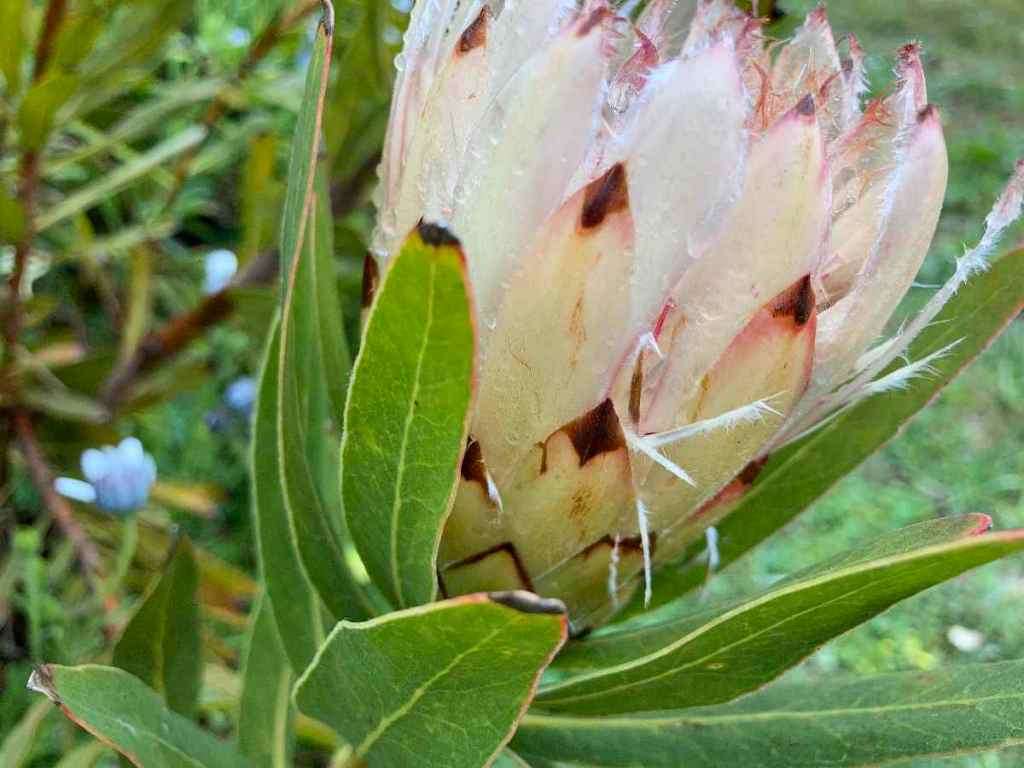
Most people are familiar with pink proteas. I spied this cream one in a nursery on a trip away, many years ago and I have treasured it ever since.
I bought it as a small plant from a nursery in the Adelaide Hills and protected it during its more than 600 km journey home here to Patho. It grew and prospered but sadly it has fallen over and is struggling to stay alive.
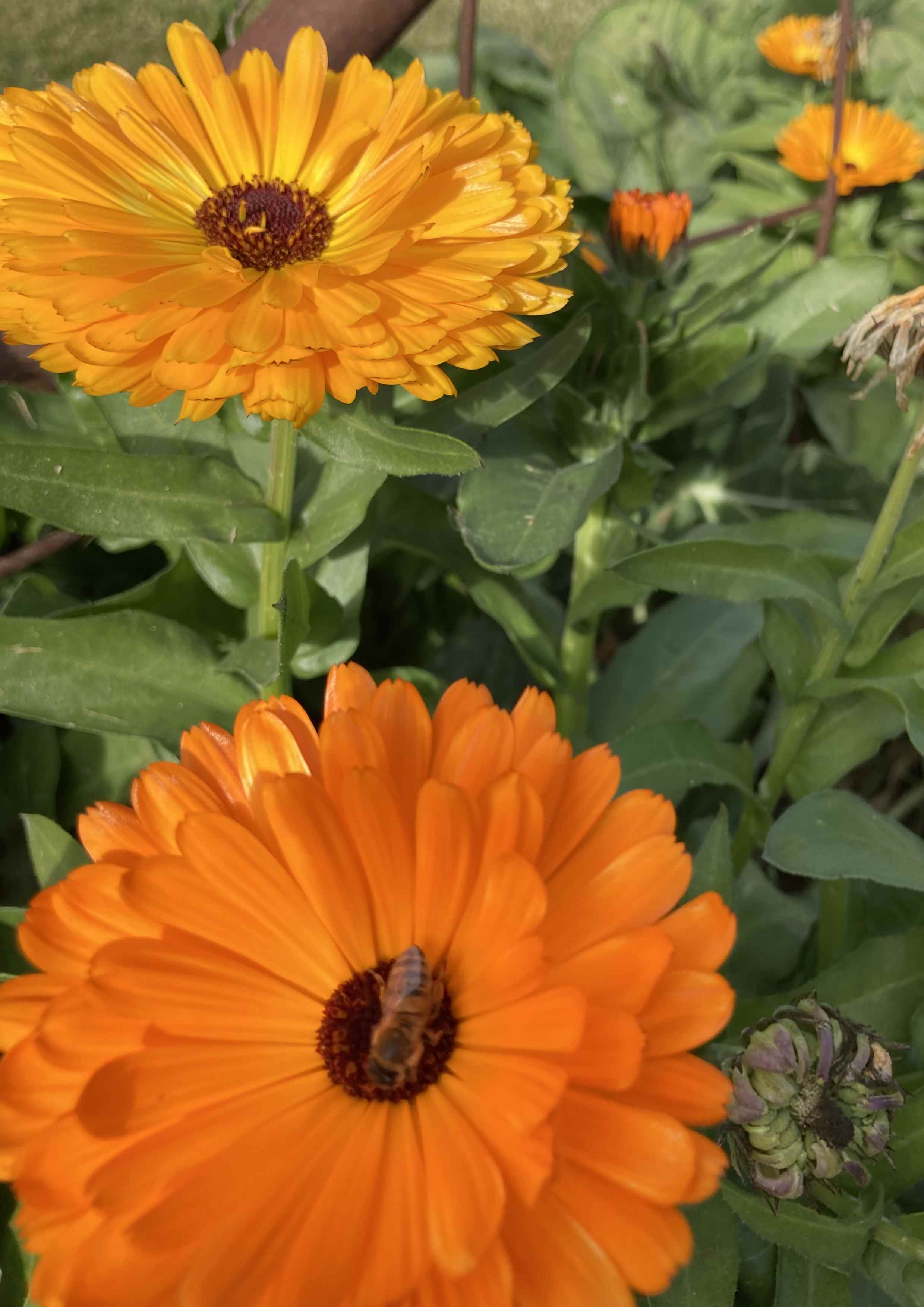
My life cycle of a flower.
Oops!!!!
The flowers are just beautiful. I didn’t notice the large fly until I posted the picture!
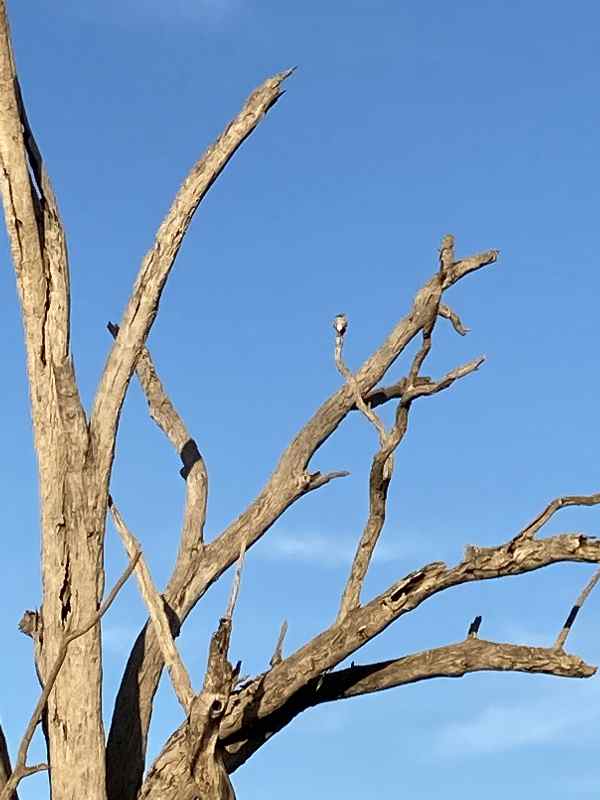
Taken today. This bird, I think it is a Whistling Kite, (also called a Whistling Eagle or Whistling Hawk) was feasting on a bunny in one of our farm paddocks. It kept flying away as we tried to capture a photo. I’m jealous my husband took the best shot, though he says he had the most patience.
30 posts into this blog, I’ve decided that I really enjoy it. I am enjoying sharing the environment where I live. It’s good to take the time to look around and appreciate where I live.
An unexpected bonus is that I also enjoy other people’s blogs. I love reading and comparing experiences. The other day, I was frustrated after looking at the rabbit damage on my farm. I stumbled on another farm blog where someone on the other side of the world was describing their problems with the rats and other animals I’ve had no experience with. I’m glad I only have rabbits and the odd wallaby!
I am blown way by some of the amazing photography. There are so many bloggers who produce stunning pictures. These pictures of birds illustrate my frustration. The birds are so small, when they could be the focus of the picture. My photos have generally been taken on my phone, which does do a reasonable job at times, but I can’t help thinking that it is time to dust off my ‘real’ camera and learn how to use it properly.
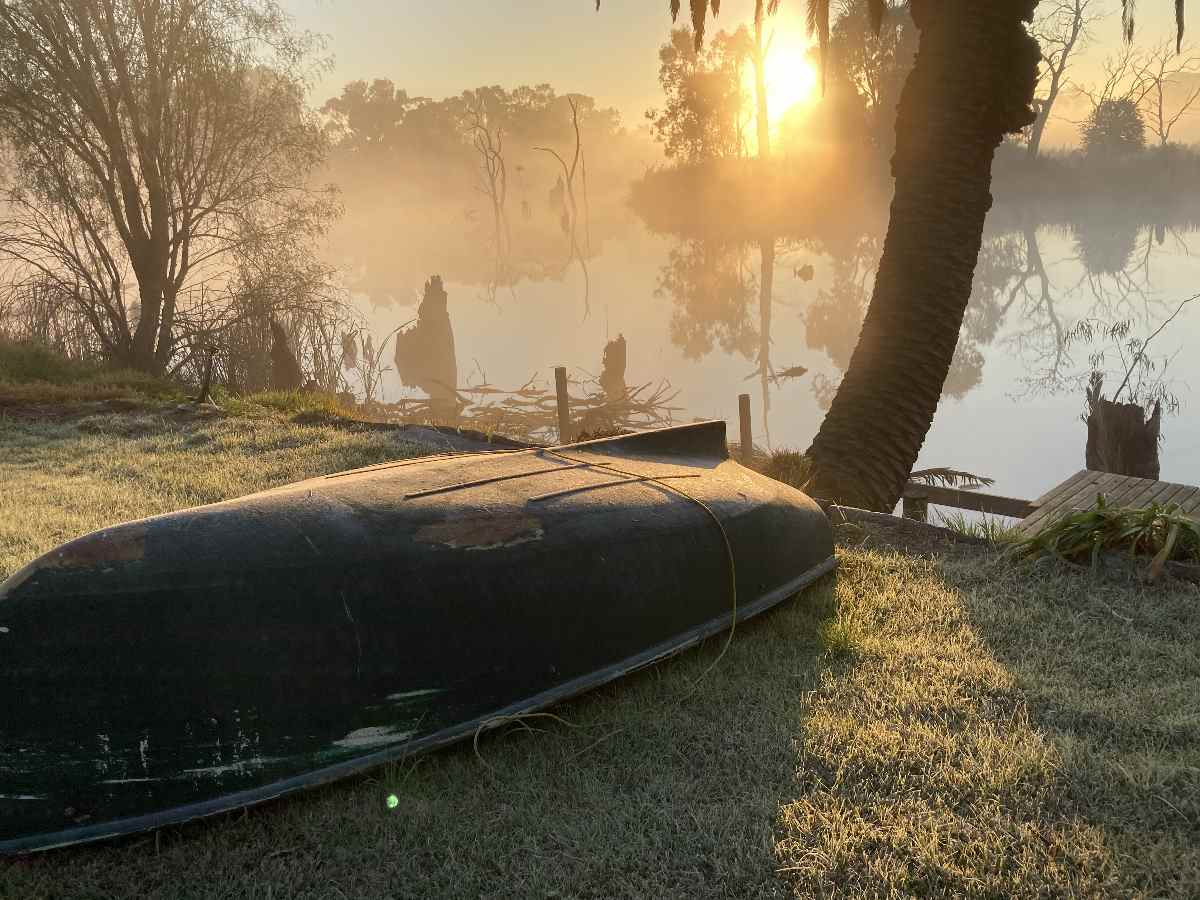
This lagoon is 15 metres from my front door, separated by a gravel road. It is home to a variety of bird and wildlife. These birds know no boundary between the lagoon and my garden. These are called Crested Pigeons.
The pattern in the gum tree is called a burl. It’s a deformed tree growth. The wood is prized by some wood workers.
Crested pigeon Can you find the bird? I’m not sure what this one is..There it is!!!
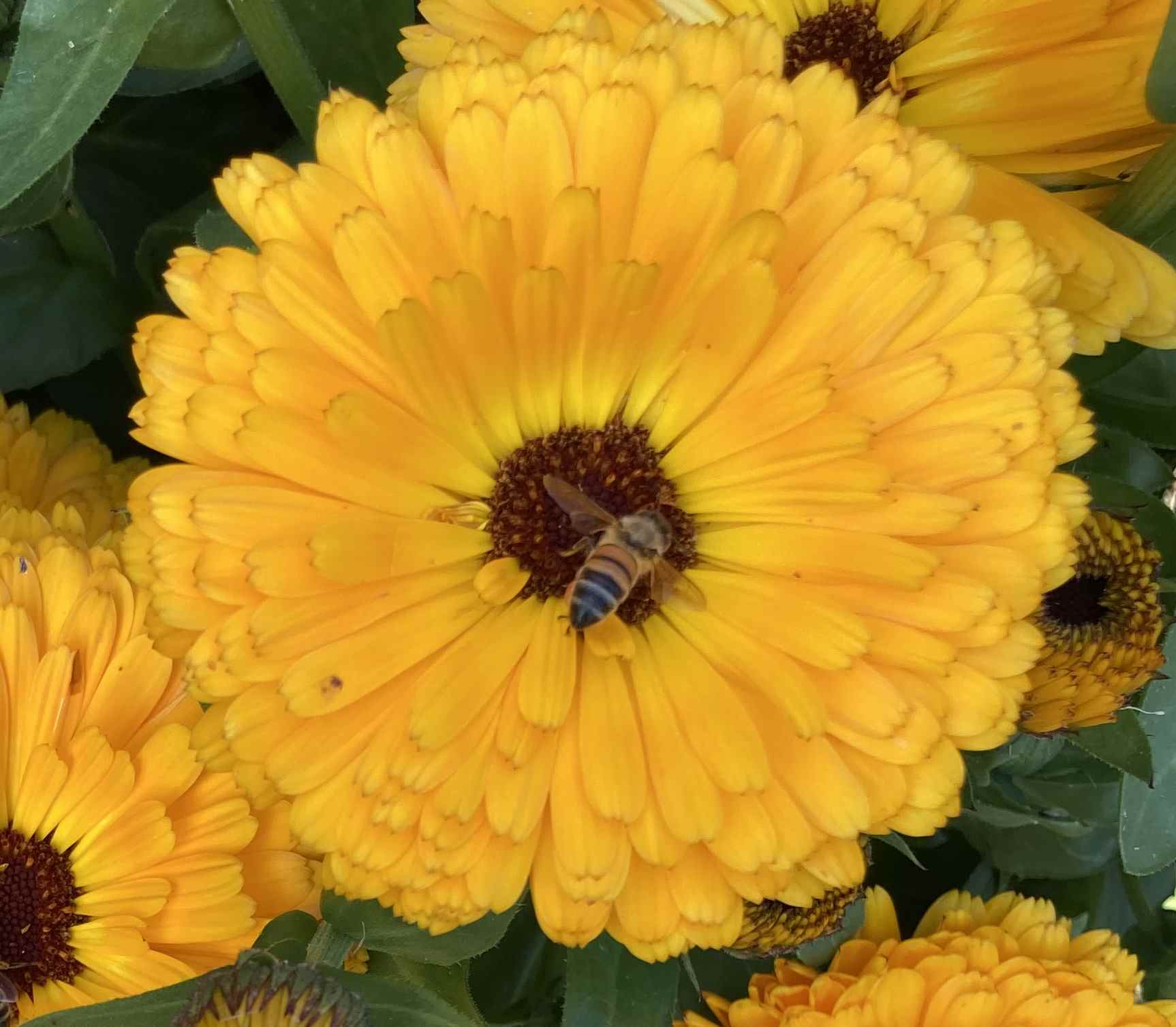
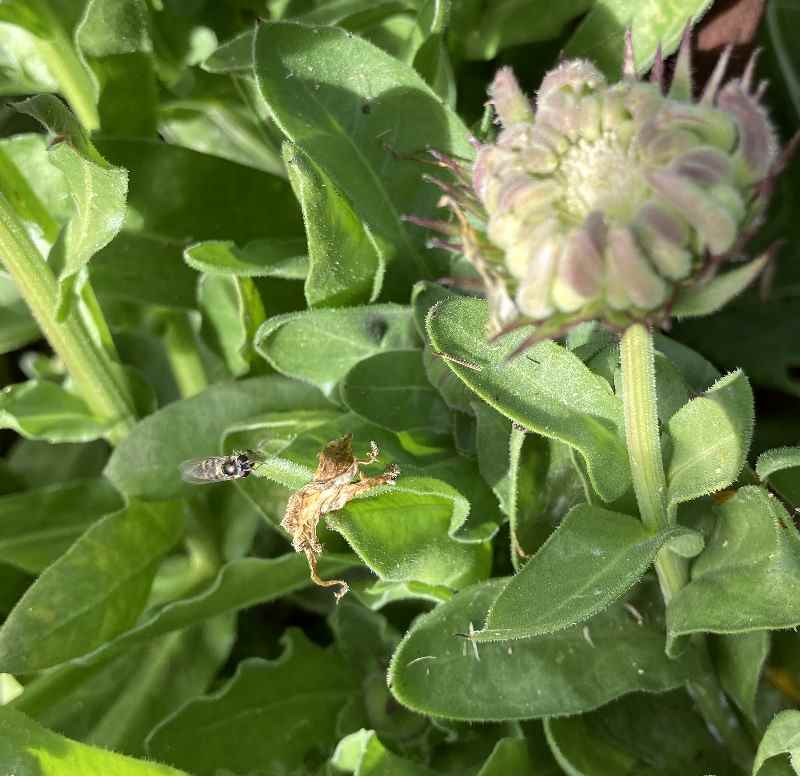
I first thought this might be a native bee, but after a little research I think this one might be a hover fly (Syrphidae) not a bee.
I must admit I my knowledge of insects is limited. I’d not heard the term hover fly before. And I didn’t know that they are quite beneficial to the garden, even if they aren’t bees. They help with pollination and even eat aphids. They are called hover flies because it’s what they do – hover. They hover in the one spot, move suddenly forwards or sideways, and then hover again. Fascinating.
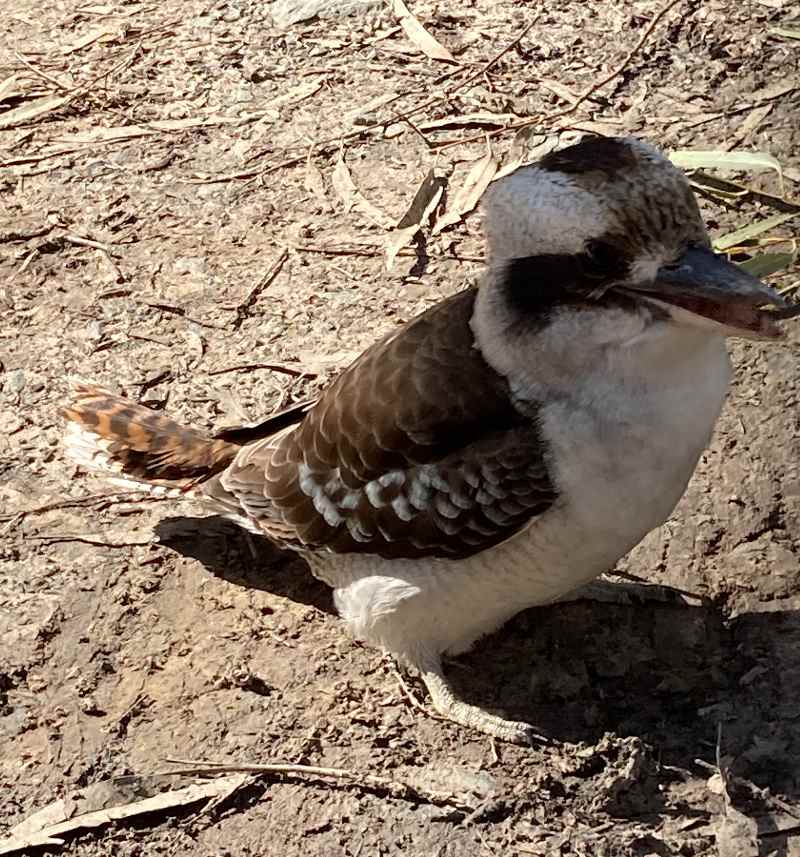
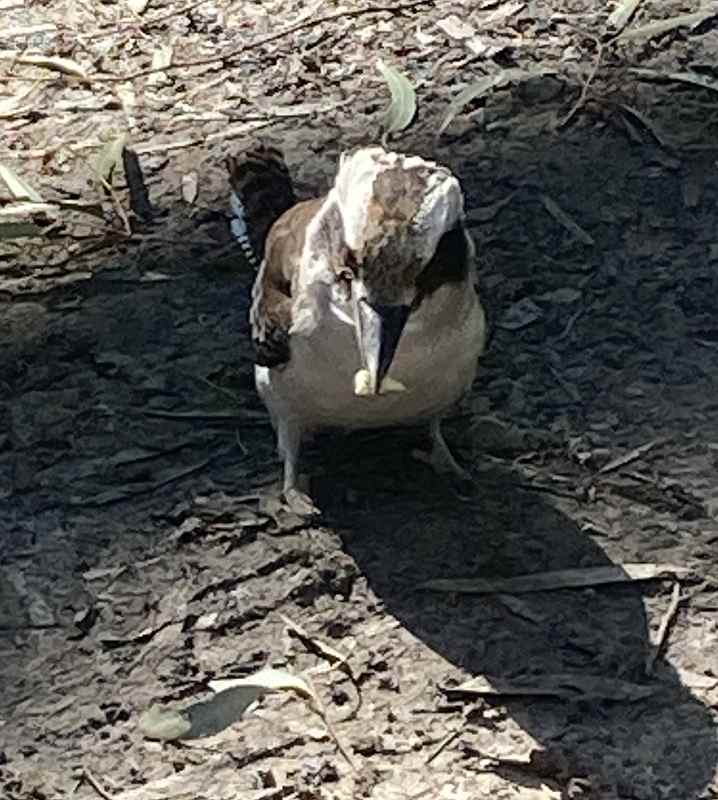
The most amazing thing about this bird is the noise it makes. It laughs. Living where I do, it’s something that I take for granted. I had lunch with this friendly little fellow the other day. WE stopped to have our burger and chips by the river. I went off looking at the ducks and when I got back to the car, Bruce had been feeding him tiny bits of chips. I was surprised how tame he was. We did have one bird who would ride around on our hills hoist in the back yard, but he was easily startled and would fly away when disturbed. This is the closest I’ve been to one in the wild.
According to Wikipedia
Kookaburras are terrestrial tree kingfishers of the genus Dacelo native to Australia and New Guinea, which grow to between 28 and 42 centimetres (11 and 17 inches) in length and weigh around 300 grams (10 1⁄2 ounces). The name is a loanword from Wiradjuri guuguubarra,
When we first bought our farm about 30 years ago, it was a run down ex-dairy farm. It is two kilometres of dirt track from a main road. The dairy was no longer functional and it had few fences that would keep an animal enclosed. Much of the land was salt affected and non productive. The agent suggested we run the tractor through the house and start again.
We gathered seed from the few trees around and carefully grew young trees in our first purchase, a glasshouse. We planted rows and rows of trees in an effort to reduce the water table, fix the salt problem and return health to the soil. Keeping the trees alive was a struggle. We fought rabbits, kangaroos, heat, lack of water and salty soils.
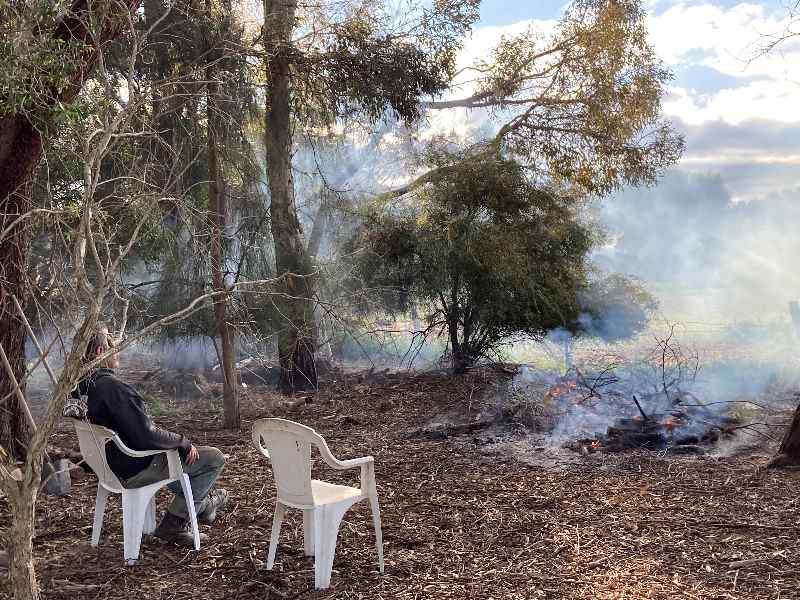
Since the covid lock down we have been cleaning up one of the tree rows. It’s a huge job, with a chain saw and fire. We’ve removed lots of dead branches on the ground. It’s become a problem because the rabbits have taken a liking to the shelter and are being very destructive. We cut tree limbs off fences and pruned trees and bushes. Hard work but we can see results starting to happen. AND bonus, we’ve taken the time to enjoy the winter sunshine and the outdoors.
Our favorite spot is in a remote spot that we nearly gave up on when we first started establishing the trees. We finally got some really tough little pine trees to grow where nothing else would. The sound of the wind in the pine needles really changes the ambiance of the little grove of trees.
My opponents in the battle to have a garden, (other than the weather), are usually furry, have cute little white tails, eat most of our lucerne crop and have travelled across Australia. A rabbit proof fence had to be built across the continent to stop their advance. Sadly, I have never been able to afford a fence all around my property. Over the years I discovered that they were very reluctant to leap over a smelly old tyre and eat whatever treat I had just planted. The evidence of my success is everywhere. Look at my amazing gum trees I planted years ago. In most cases I remembered to remove the tyres, just before they strangled the trees.
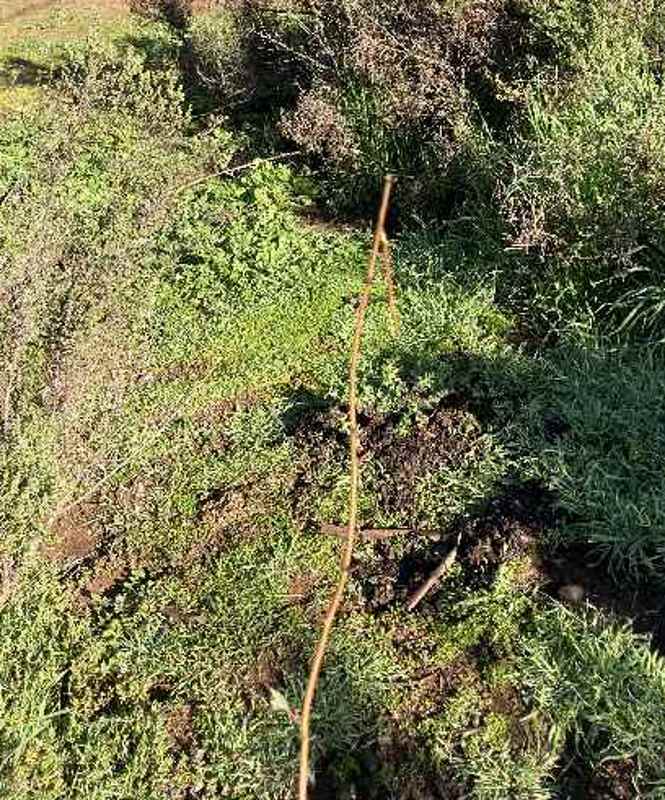
I’d nurtured my new gum tree in the glass house until it was 3 feet high. It was healthy and looked ready to go. So imagine my horror this morning when I went to check on my new gum and found this. All that was left was a STICK!
The tyre was intact. So can I conclude that either a three feet tall bunny, ate dinner last night or I have some sort of bouncing bunny that can repeatedly bounce and eat…? or what?????
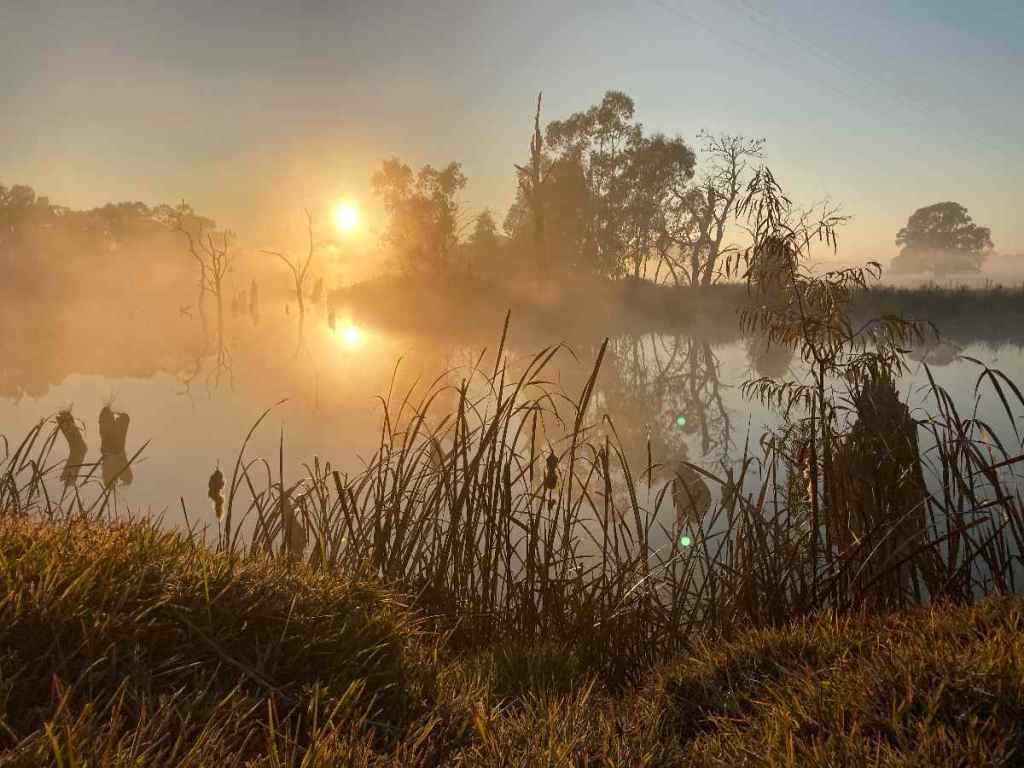
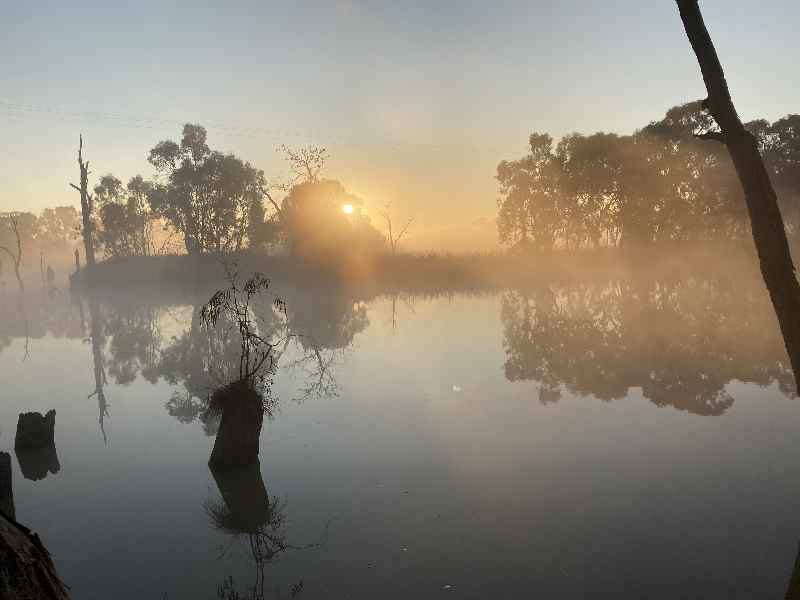
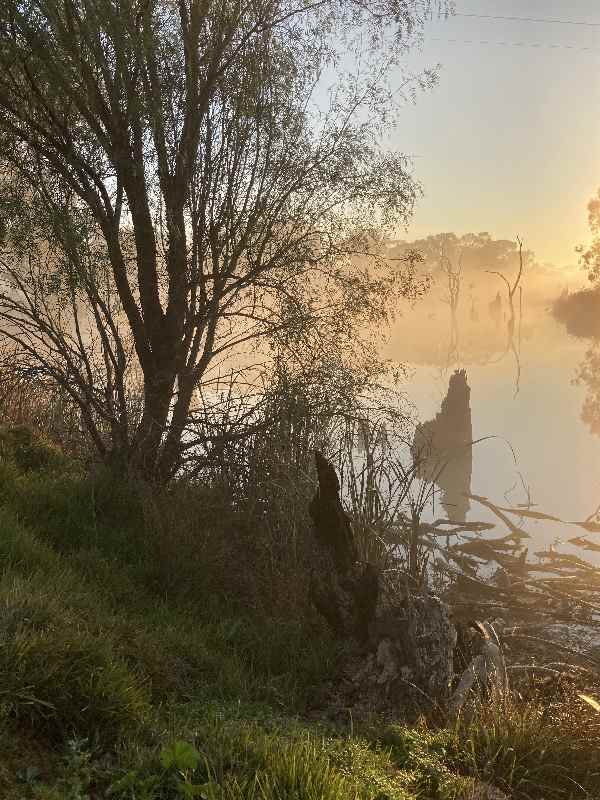
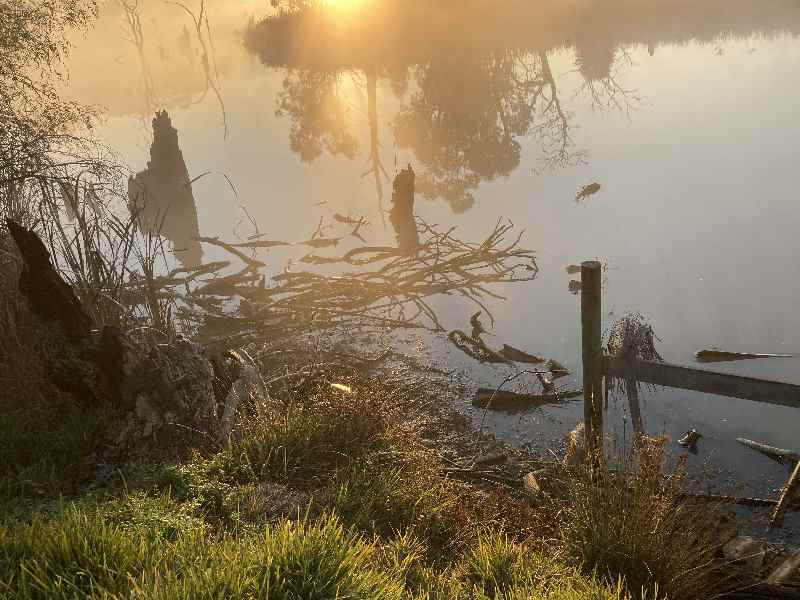
It defies logic really. In winter we have very little water in the lagoon, when we get our rain and in summer it is full, when rainfall is very scarce. I live on a lagoon that is used for irrigation in summer and in winter the water level drops, revealing the banks. It is part of an amazing wetland area on the Murray River and many birds fly in for a stop over. Some migrate from huge distances to nest here and others just seem to appear and disappear. In winter the lagoon takes on a much different appearance. Although there is lots of mud, I think it has a special kind of beauty.
A platypus hides in this bank (below). It is a very shy creature. You mostly just see it disappearing into the distance.














 AT PATHO