Cracking Canna seed

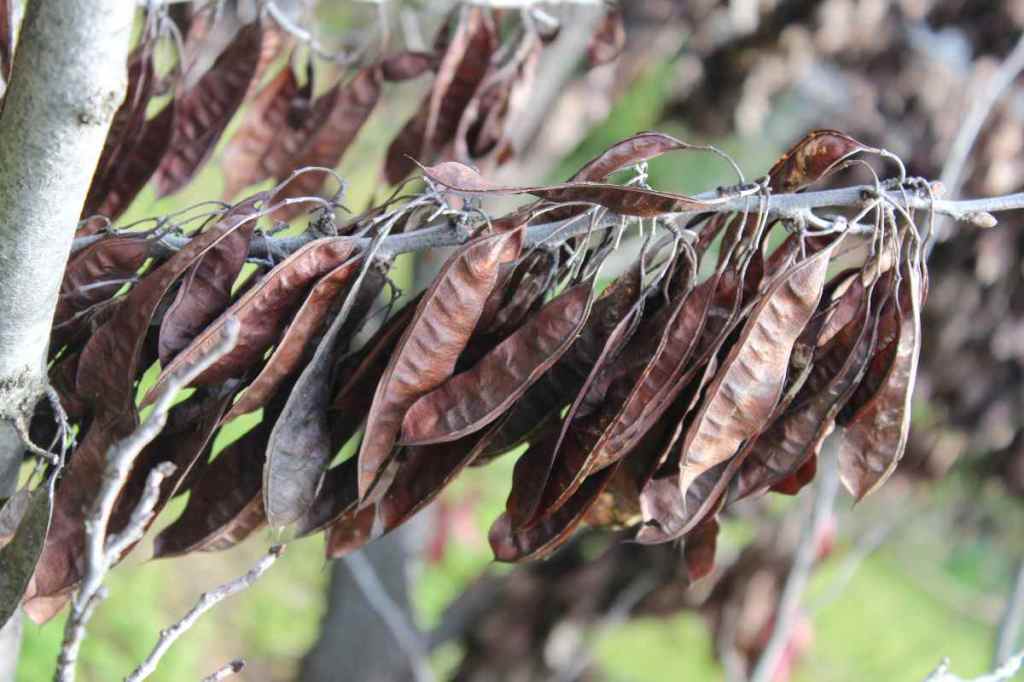
Seed pod

Better late than never. Maybe. This year is the first year I have had any luck with Cannas. Other years I’ve manged to kill them, usually before they flowered. Only sheer determination to remember to water them, no matter what, has enabled them to survive, I could proudly say thrive. Before you imagine a garden full of colorful cannas, let me put it in perspective. I only have a few, maybe six plants.

I finally got the nerve to cut them back. If you’re thinking it’s almost springtime there, you are starting to understand reasons why plants have an uphill battle at my place. As I was hacking into them I noticed that a few had some seed pods on them, so I carefully put them aside and went to Mr Google to research how to grow some more.
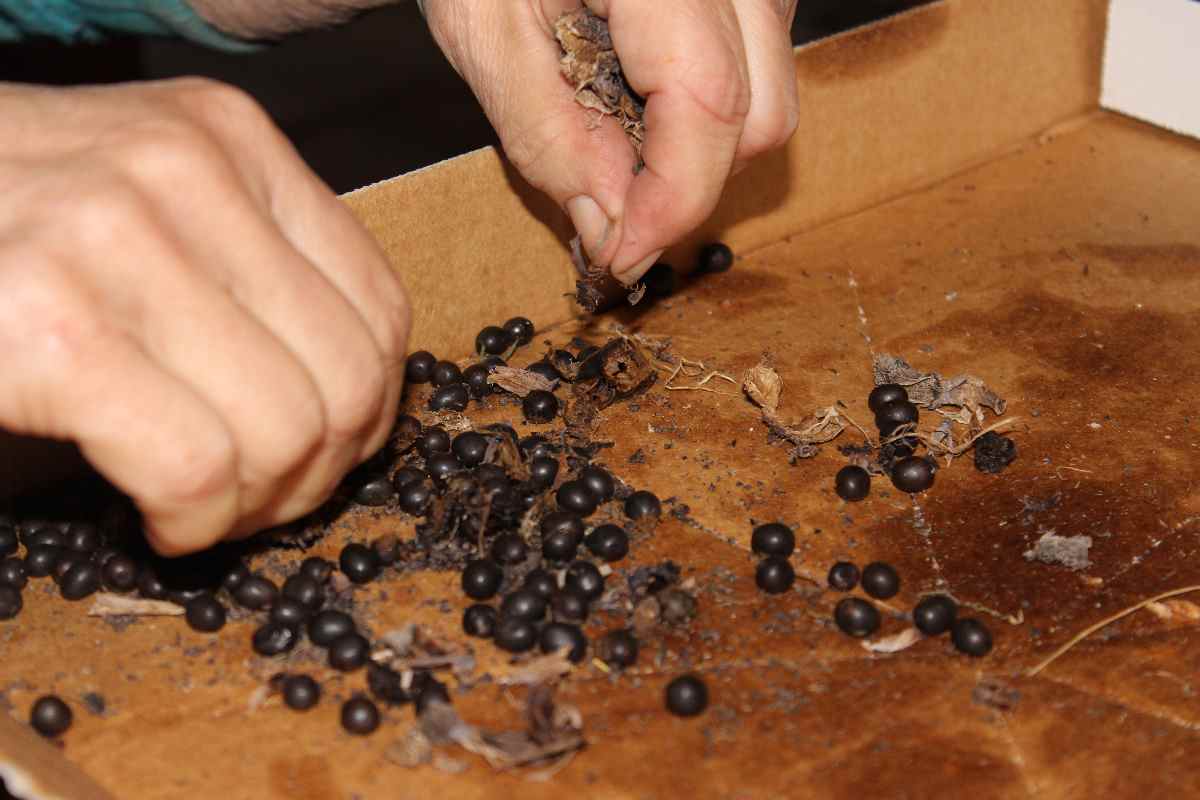
Mr Google said “gathering the seed was easy to do”. And it was. The seeds were large and easy to remove. The pods below were from a plant in a different location and I had left them too long, There were no seeds to remove.

The next step in the process was to ‘nick’ the rather hard seeds, so that they could germinate. As an afterthought many of the references said growing cannas from seed (even once you had it) was not that easy. That was an understatement. It started with ‘nicking’ the seeds.

I spent the rest of the afternoon trying to ‘nick’ the seeds. I tried sandpaper. Not going to happen. A file, no. How do you hold the seed and file it. Slippery little suckers. I ventured into the workshed. Maybe the grinder. No, I value my fingers too much. The seeds were round and very hard to hold on to. I chased them all round the shed as they flew out of my fingers. A sharp anything; knife, blade, no, no, no. I couldn’t cut them. Maybe if I hold the seed with a tool I could grind it. No!! A hammer. Yes that broke the seed. Shattered it. Apparently that’s a no – no too. They need to be ‘intact but nicked’. I nearly gave up.

Then I remembered. Once I grew wattle trees from seed quite successfully. The seed was also hard as nails and had to be boiled for a while before sowing.

IDEA : Type canna, seed and boil into Google.

There was one, (just one) video I found that claimed boiling water over the seed might do the trick. So, I boiled the kettle and poured the water right onto the seeds. Success. They crackled. I could actually hear them burst their extremely hard exterior, so that I might have a chance of success. They even danced around the jar. Now they are happily soaking for a day or two before a trip out to the glasshouse.

Check back in a few months. I’m feeling I might have cracked it!!!
Oh no, a bug!

Isn’t it amazing how much you can learn when you write a blog post?

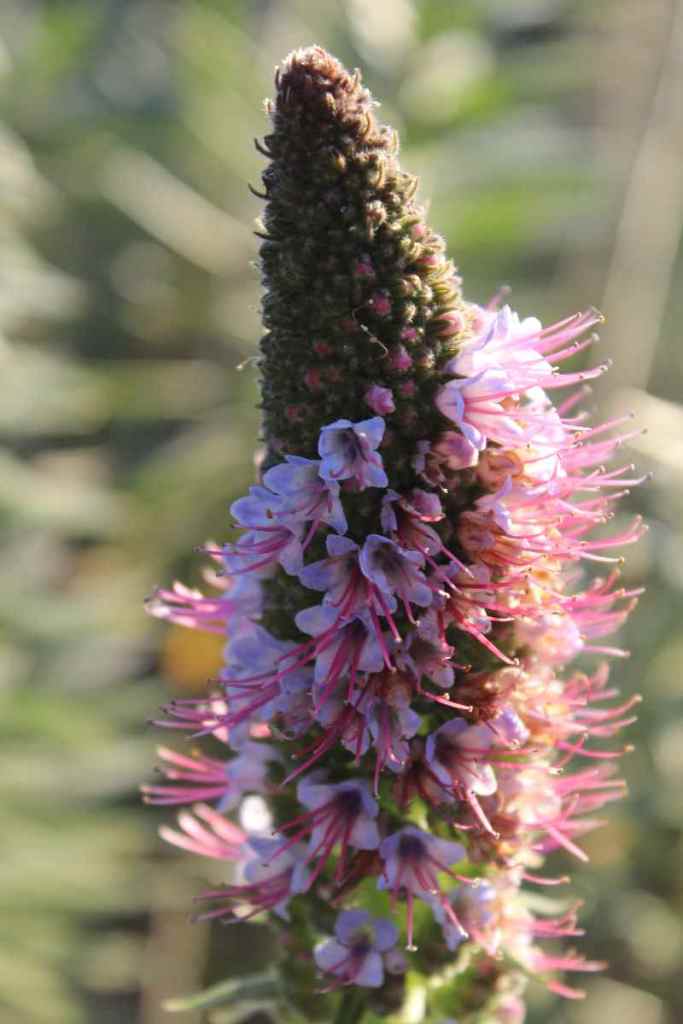
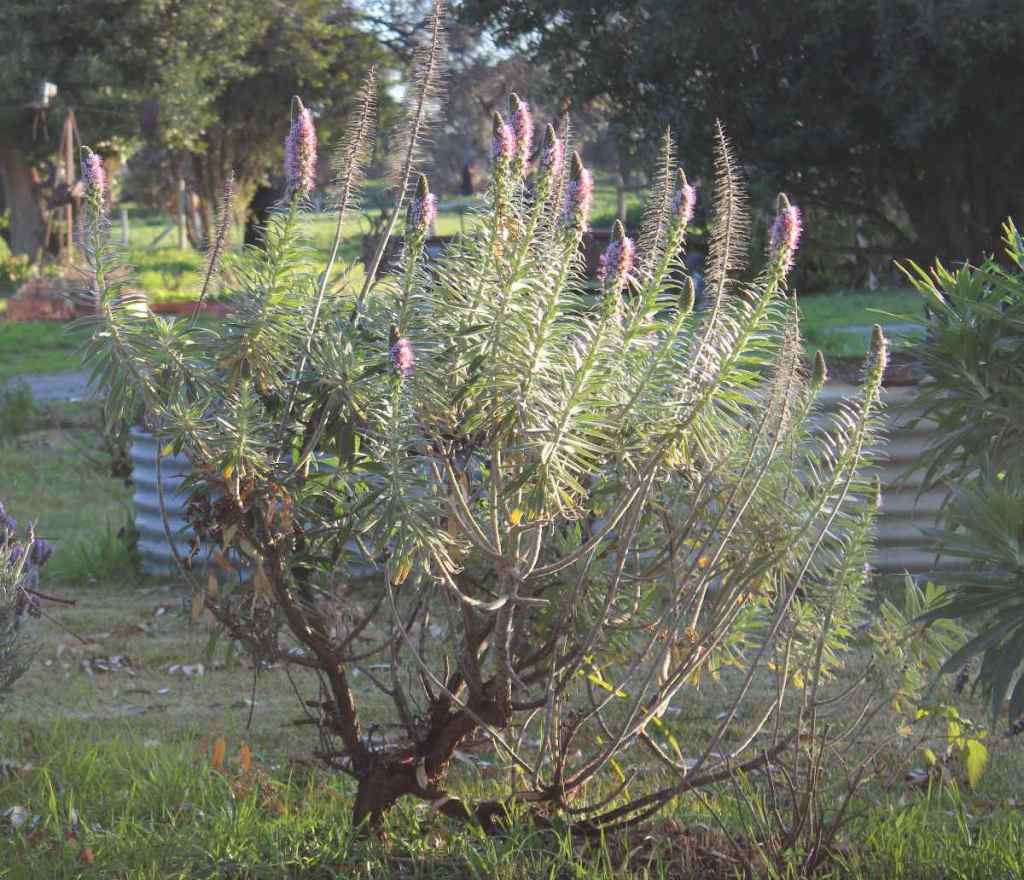
I’m still waiting expectantly for my Echiums to flower. I posted about them a week or so ago. Today, they are slowly developing more and more tiny flowers. So I thought I’d take a photo to record their progress.

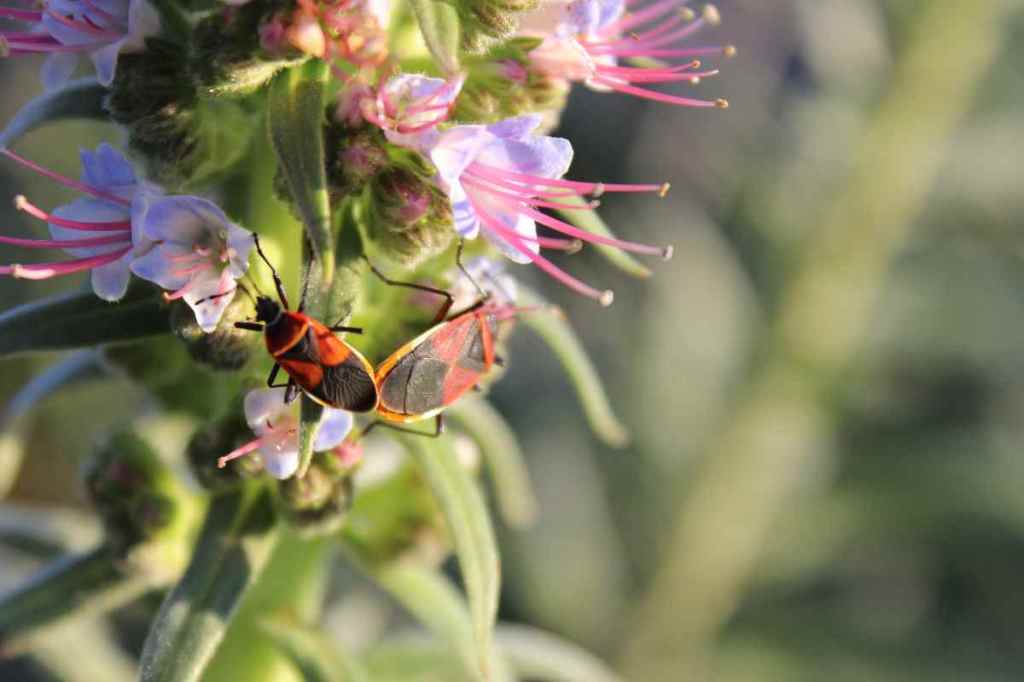
Imagine my delight at finding a pretty red bug.

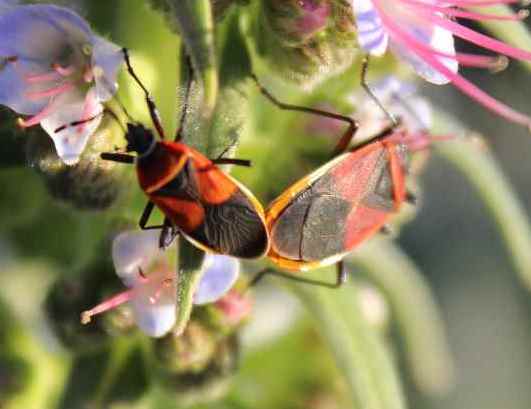
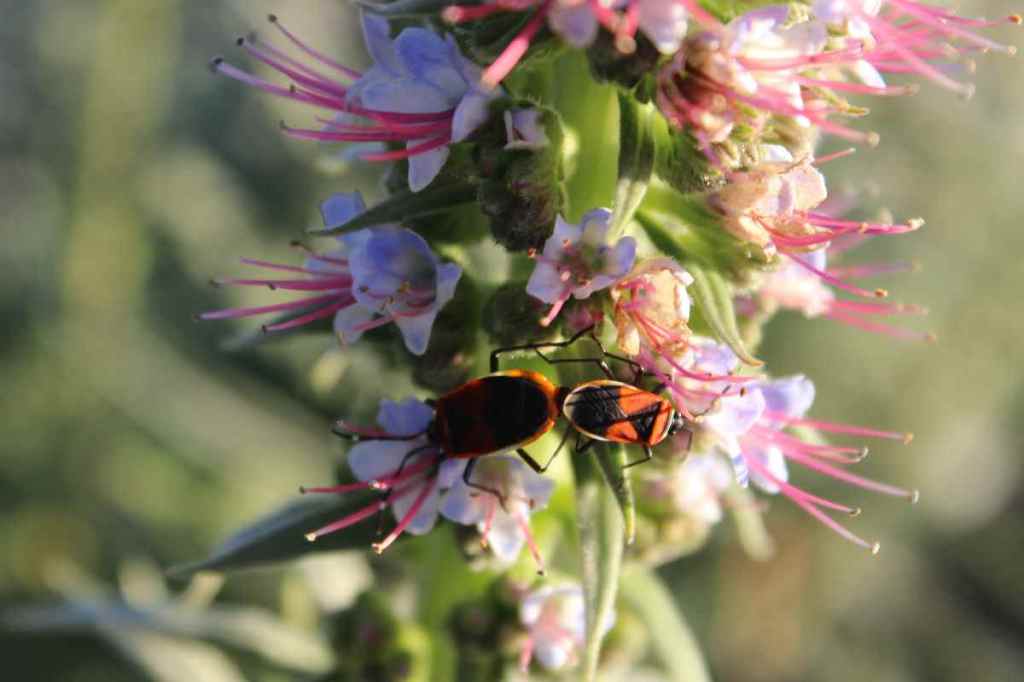
Actually, if you look closer there are two bugs. They are stuck together copulating. Apparently, the larger female drags the smaller male around. They are Harlequin bugs (Dindymus versicolour) and until today I thought they were harmless.

I read today that they are sap suckers, and can be harmful to flower buds and fruit, especially to apples and other soft fruit.

I’m not sure if I’m fascinated or revolted. I think I might start trying to elimate them, before too many of them breed.

Judas Tree

(Cercis siliquastrum)

One of the wonders of Spring at my place is the sudden transformation of this tree. This strange Judas tree has masses of amazing purple – pink flowers in Spring. The flowers appear before the leaves. They seem to just appear overnight. I’m waiting.

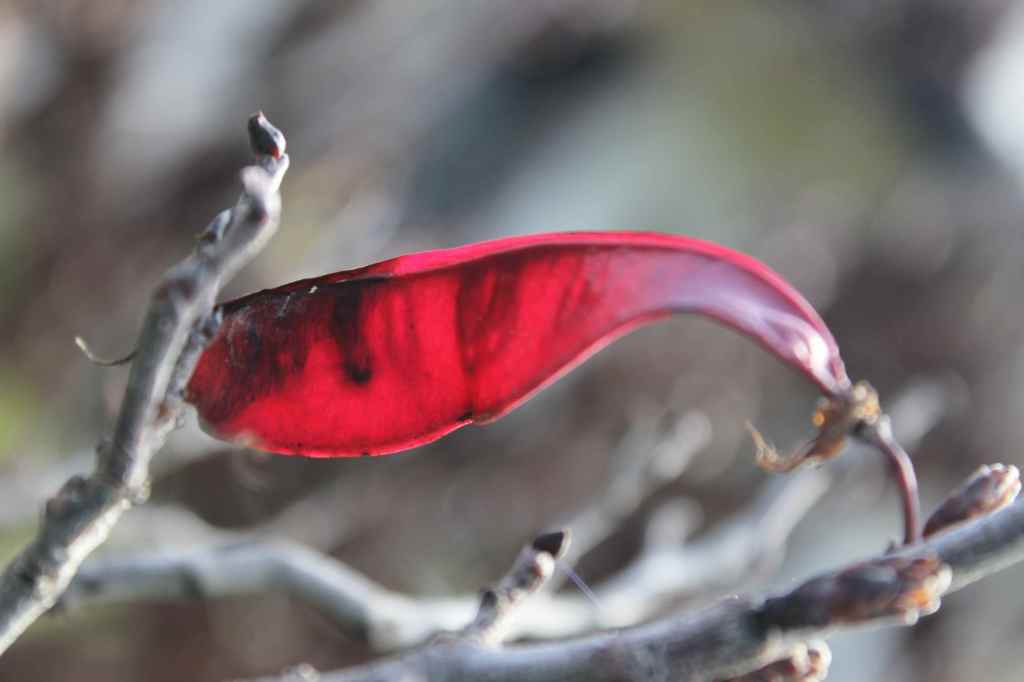
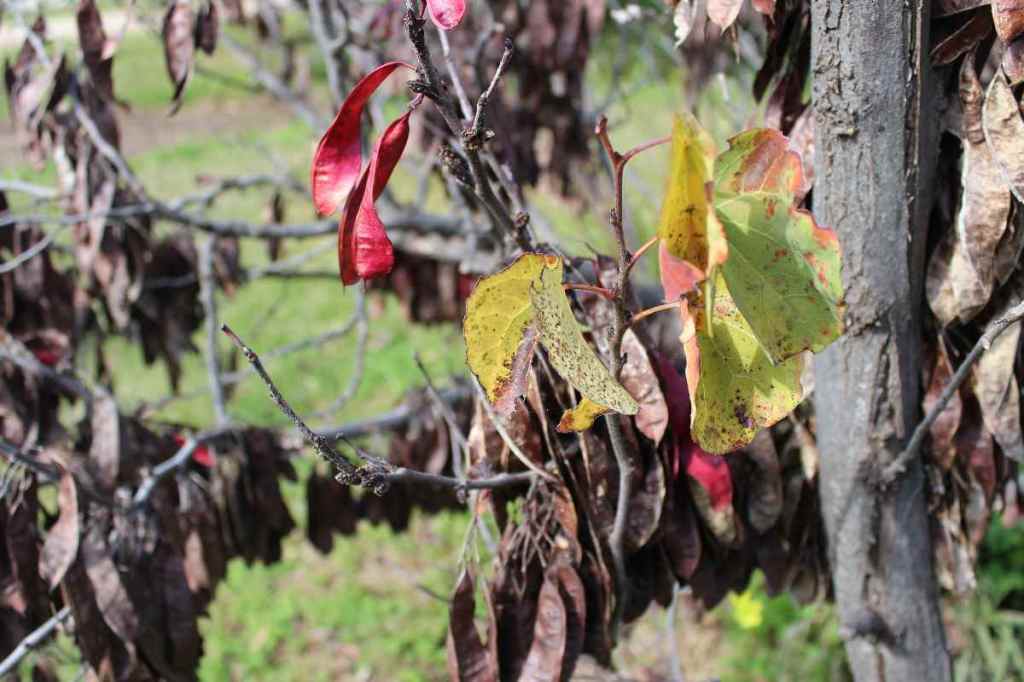
It’s been dwarfed by the surrounding trees, a Gum tree and a Callistemon. Perhaps that’s why its not doing as well as it was. The seeds pods stay on the tree over winter. The are quite eye catching in themselves. The birds love them. Large parrots visit each year, only for a few weeks and then disappear again. I can see the tree, through the window, from my bed and enjoy watching my visitors.

With so many seed pods, I’d expect that maybe it might be an easy tree to propagate. I’ve had no luck. Some of the pods do drop, but they seem reluctant to start growing. I have waited while tiny little shoots under the tree, start to look like they’re tough enough and tried to transplant them. They do not seem to like being moved and struggle along for a while. I think I have got some of them to 30 cm but just can’t get them to keep going.

My tree must be old. It was planted before we bought the farm. It is ‘on its last legs’ I fear. We’ve had to cut some of it back. Hopefully it will continue on for a while yet.

I’ll have another go at growing some seed, maybe tomorrow…

Funky fennel

I’m a slow learner. I grew fennel in my garden and waited for the bulbs to form, and waited, and waited. The plants grew and grew and grew, nearly as tall as me! (I’m only 5 feet tall) They never did form those bulbs I wanted to cook with.

My fennel regrowing after a very savage prune.

I now realise that there are two types of fennel.

“One is treated as an herb (herb fennel – Foeniculum vulgare) and one that is treated like a bulb type vegetable (Florence fennel or Finocchio – Foeniculum vulgare var. dulce).” (University of Illinois)

My fennel

I think I had the herb type. Still have; it has survived. This is the one that’s used for the seeds and the feathery leafy bits. I’m beginning to wonder if it really is fennel. Maybe it’s dill! The two herbs are very similar and are often confused. I’m pretty sure it’s fennel though.

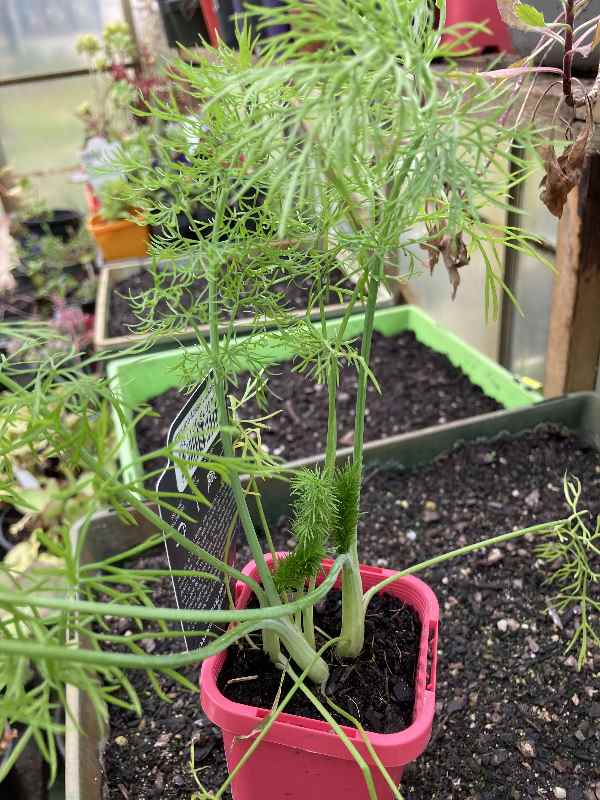
I really like the taste of the bulbs purchased from the supermarket, particularly when they are roasted. I can’t wait to taste my home grown ones. Apparently you can eat all the parts of fennel. Today I purchased some bulb type fennel plants. I’m a little afraid to plant them outside just yet because our frosts can be nasty. They can have a little time in the glass house.

The bulb type of fennel

Herbalists use fennel for indigestion and with honey for coughs. There are lots of claims about the benefits of using fennel for improving medical conditions. It is also said that it will keep ghosts from entering a house if placed in keyholes, and that if you carry it, other people will trust your words and believe in you.

A mix of fennel and parsley

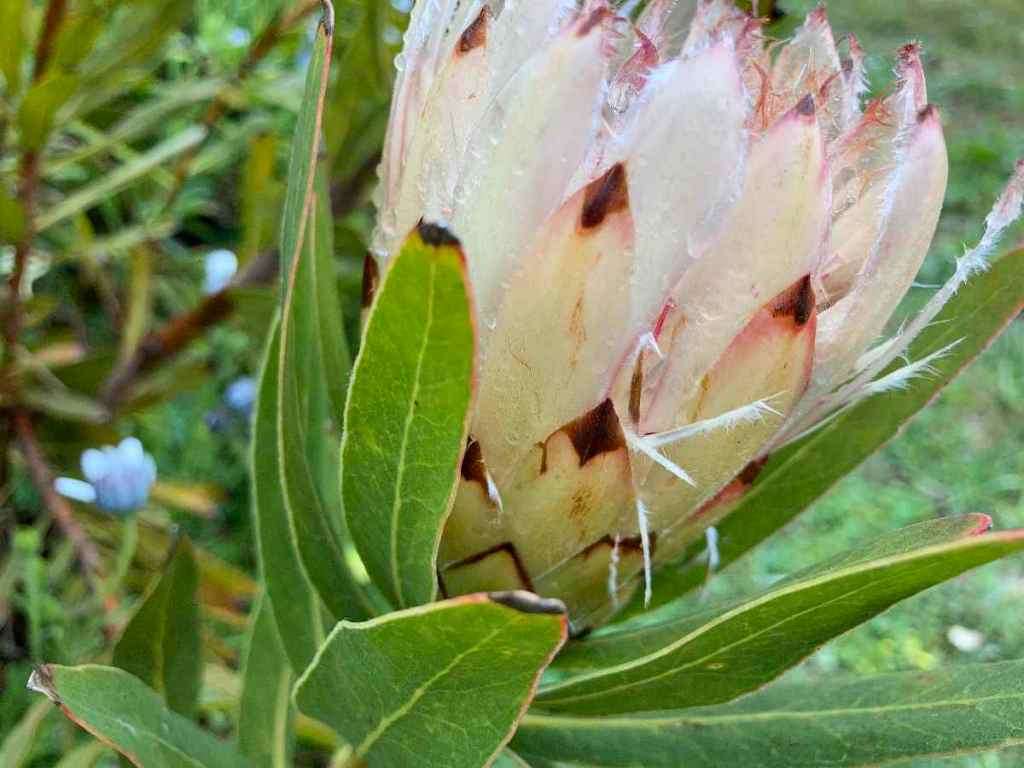
Almost perfect Protea

Cee’s Fun Foto Challenge: Wilting, Dead or Aging Flowers

Most people are familiar with pink proteas. I spied this cream one in a nursery on a trip away, many years ago and I have treasured it ever since.

I bought it as a small plant from a nursery in the Adelaide Hills and protected it during its more than 600 km journey home here to Patho. It grew and prospered but sadly it has fallen over and is struggling to stay alive.

My life cycle of a flower.

Oops!!!!

The flowers are just beautiful. I didn’t notice the large fly until I posted the picture!

Potted peculiarity

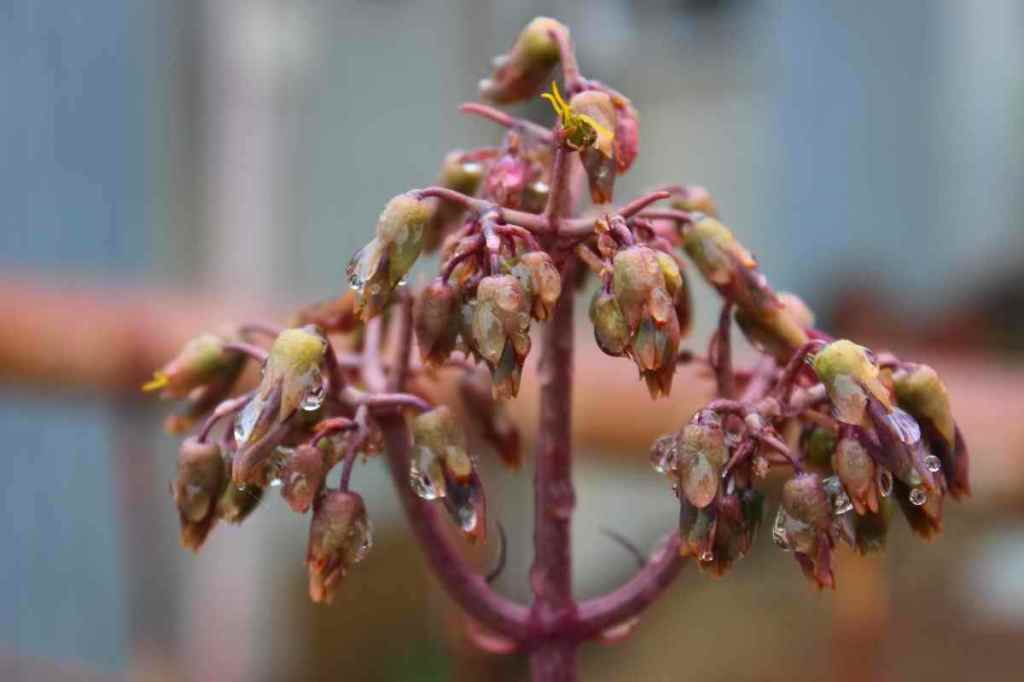
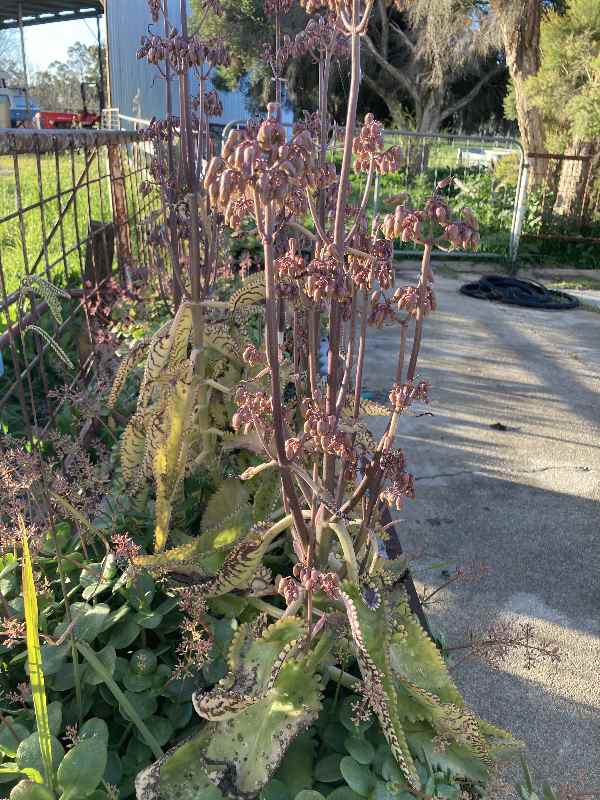
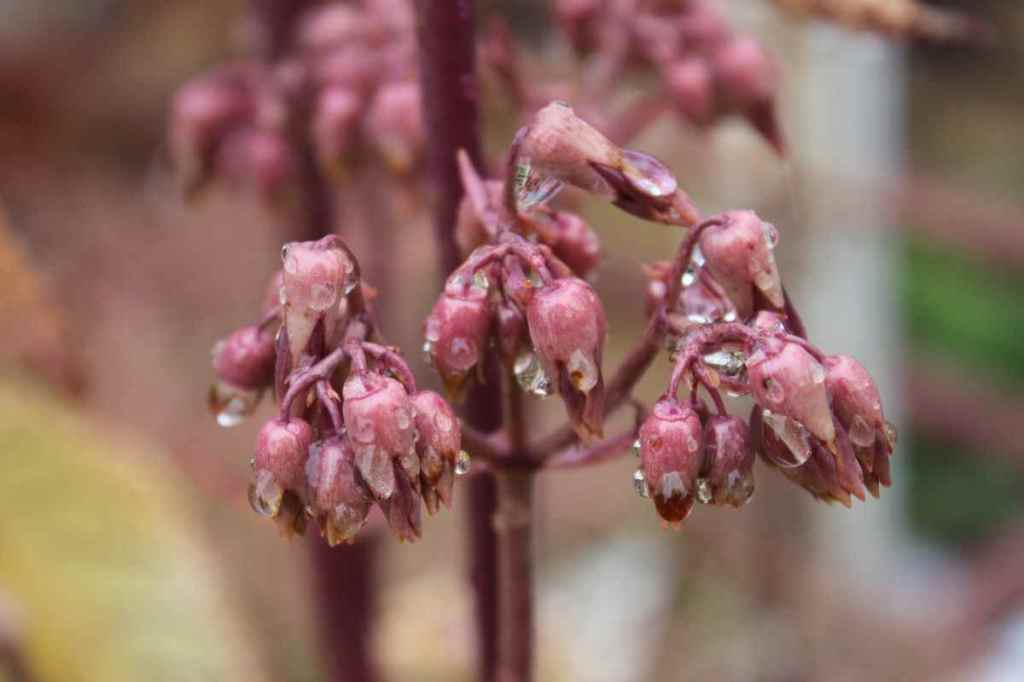
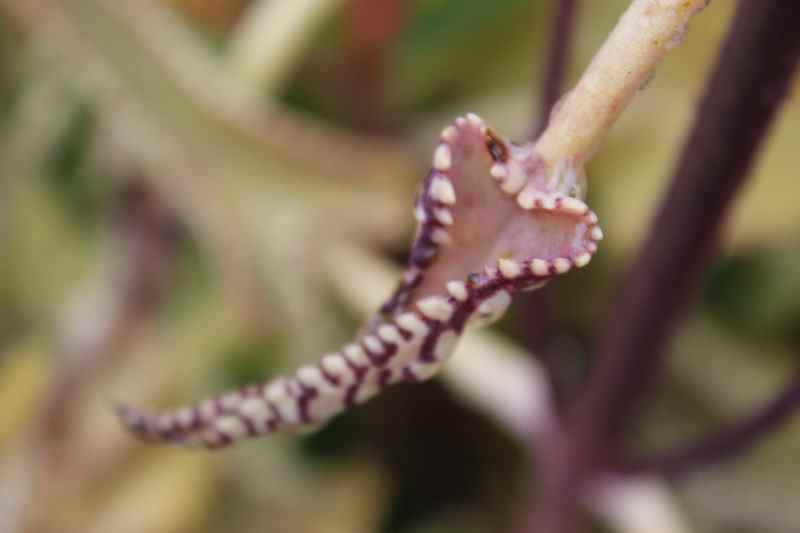
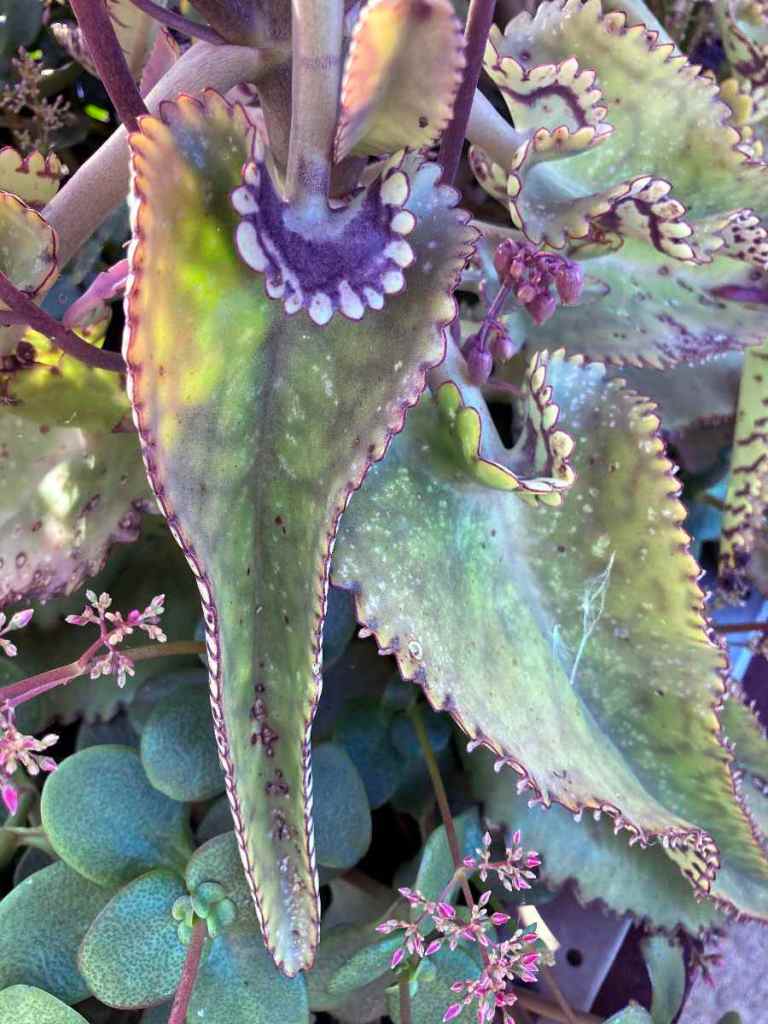
I can’t remember where i got it. And I have no idea what it is. I It fascinates me nevertheless.

Here it is growing up proudly among some succulents

It had just rained. A few droplets remain.

It’s foliage is very distinctive.

I’d love to get help identifying it. Please comment below if you can help.

Monday through my eyes

Looking around today I see that some vegetables and herbs are flowering in my garden.

Rocket

“Rocket or arugula (Eruca vesicaria) is an edible annual plant in the family Brassicaceae used as a leaf vegetable for its fresh, tart, bitter, and peppery flavor.”

Wikipedia

I planted a small punnet of rocket seedlings ( in a garden bed, hoping that one or two might grow. I wish I’d taken a photo of when they were prolific. AND THEN THEY SELF SEEDED, everywhere. I attacked them savagely and cut them back. Oh, the smell, I loved it. They regrew. Enough is enough. They threatened to become a weed. So I sadly, tried to remove them. But, then as an afterthought, I transplanted a few to a more remote spot. Now I have hundreds of little rocket babies, waiting to emerge again.

Loving their flowers.

Rocket

Gai lan

Gai lan or kai-lan (Brassica oleracea var. alboglabra) is the Cantonese name for Chinese broccoli or Chinese kale.It is a leaf vegetable with thick, flat, glossy blue-green leaves with thick stems, and florets similar to (but much smaller than) broccoli

Wikipedia

The Gai lan seedlings were planted a few months ago. I’ve never grown them before. I’d eaten them in Chinese dishes, like stir fried vegetables. They grew happily, but then bolted to flowers when no one was looking. While I was looking up the correct spelling, I learned that the flowers are edible. So maybe there will be stir fry soon.

Gai lan

For mum

Today would be my mum’s birthday. She loved flowers.

Here is a single flower from a Chinese lantern or Chinese Bell Flower (Abutilon). I have a small shrub I purchased. This flower is the first from a cutting that I grew. She’d like that. Thanks mum

For my mum

FOTD Photo Challenge

It’s raining. All day. Rarely happens here.

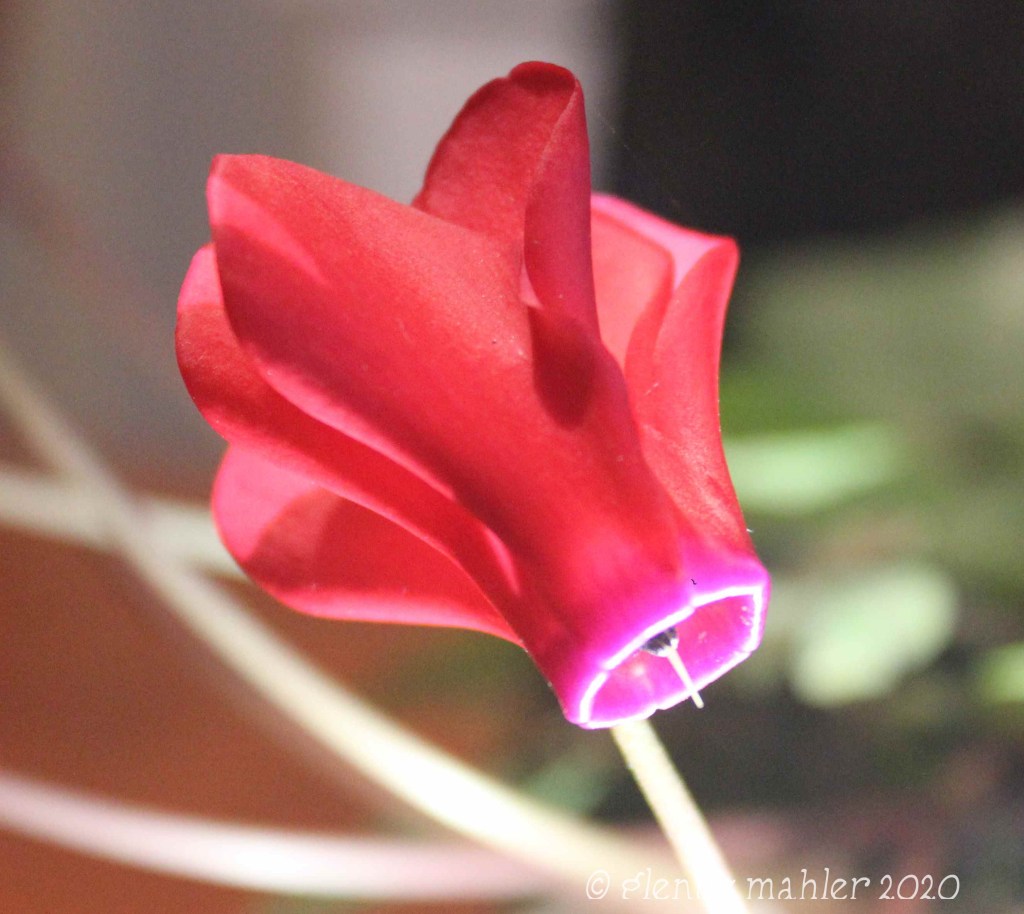
Found Cee’s Photo Challenge blog and it kept me busy for the day. I’m new to all of this. I dusted off the old camera and had some fun. It’s a cyclamen that just happened to be on my kitchen table. It was dim, so I had to play around with lighting. Flowers are amazing up close.

This was a rather steep learning curve for me. I’ve dabbled in photography and made a few picture books, but I really haven’t done much with my camera except use the auto functions. I loved seeing pictures look good, but it’s usually just luck and persistance. Now I have time, I want to gain a better understanding of how it all works together. I’m trying to slow down and being a little more deliberate about my choices.

I also learnt to use Gimp to put a water mark on the photo. I have struggled to understand how to use Gimp. I was glad to read a review that said it wasn’t all that easy and not exactly intuitive, because I thought I was slipping! Layers have always been an alien concept. But I did it, even if I have to quietly admit that I have spent the best part of the last week trying to work out how to insert a copyright symbol! It’s actually quite simple, once you know how.

Feeling blue

In Victoria today, our premier has outlined the rules to the extreme Stage 4 lockdown, ordering thousands of businesses to close. This will be the cause of a great deal of readjustment. I’m feeling blue. What a strange expression when blue can be so beautiful. Just look at the cornflower.

Cornflowers

“The Cornflower (Centaurea cyanis), also known as bachelor’s button is a native annual/ biennial plant from Mediterranean Europe. It got the name cornflower because it grew as a weed in corn fields. Representing positive hope for the future, the Cornflower is a humble reminder of nature’s simple beauty and the fullness of life’s cycle.”

A lovely reminder at the present time. So how can blue represent sadness?

I read that the use of the color blue to mean sadness goes all the way back to the 1300s. Having read some Chaucer in my time, it was interesting to discover the claim that Geoffrey Chaucer was the first author to write the word blue. He wrote “Wyth teres blewe and with a wounded herte” in his poem Complaint of Mars from around the year 1385. Nowadays, we would write with tears of blue and a wounded heart. This could mean that from its very first appearance, blue was connected with sadness.

Cornflowers self seeded from last year

In Australia we have a wonderful organisation called Beyond Blue. Beyond Blue provides information and support to help everyone in Australia achieve their best possible mental health,

I really love it that cornflowers appear as a blue flower in the popular computer game Minecraft!! I wonder how many of the 126 million Minecraft players would recognise the flower in real life.